
The Meaning of Testimony
Voices from ChernobylThis flow traces the book's movement from distrust of memory toward testimony as an imperfect but necessary record of experience.
increasing Bearing strength in each event
 decreasing
Bearing strength in each eventdecreasingMemory Is Unsteady
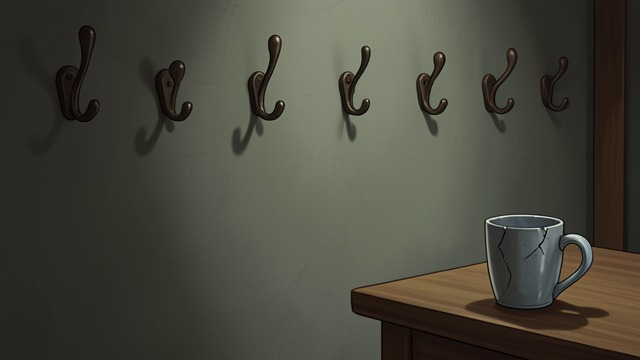
Memory Is Unsteady
A Question of Reliability
A witness wonders whether people remember in order to establish truth, seek justice, or finally forget. Memory is described as a guess shaped by feeling rather than exact knowledge.
Doubt Becomes Method
The uncertainty does not disqualify testimony. It encourages attention to the emotions, fragments, and contradictions through which a person understands the past.
Private Memories Surface
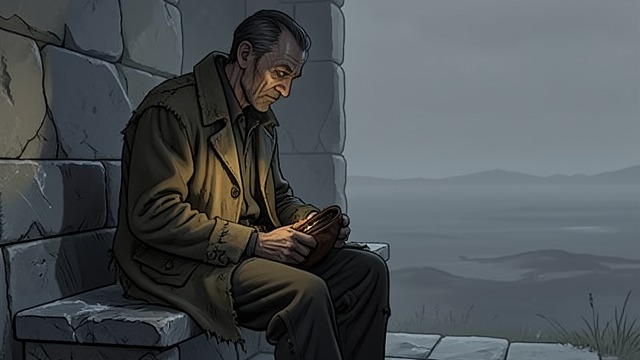
Private Memories Surface
Earlier Wounds Return
A speaker's memories of World War II and childhood violence rise while discussing Chernobyl. The new disaster does not replace the past; it exposes how earlier experience can no longer protect the witness.
The Future Breaks In
The speaker realizes that the future, rather than the past, is now the source of fear. Testimony becomes an encounter with what has not yet been understood.
Facts and Feelings
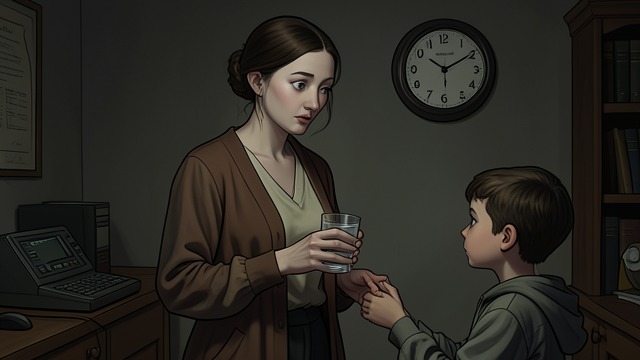
Facts and Feelings
Different Kinds of Evidence
Measurements and dates establish part of the record, while sensory memories, rumors, and dreams reveal what the event felt like. Neither account fully replaces the other.
A Wider Truth
The narratives do not ask readers to treat every rumor as fact. They show how people tried to think and speak when scientific information and official communication were incomplete.
The Ethics of Looking
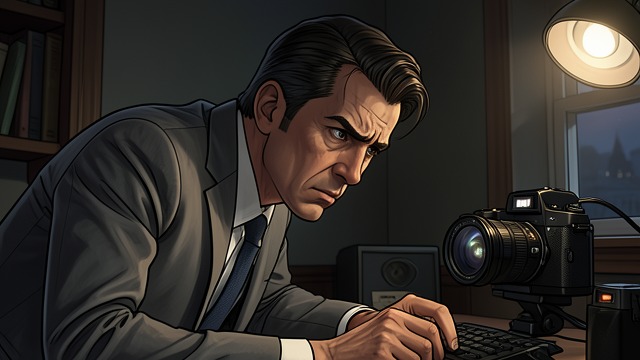
The Ethics of Looking
Witnesses Resist Observation
Some people fear being treated as objects of curiosity, as though the interviewer wants a spectacle rather than a human account. The act of recording therefore carries its own moral risk.
Listening as Responsibility
The interviewer must hold attention on the speaker's experience without pretending to own it. The book's form makes the listener's obligation part of the story.
Recording the Future
Recording the Future
A Document of Voices
The author presents the interviews as testimony from people who have already encountered consequences unknown to many others. Their words preserve a record of illness, displacement, love, and uncertainty.
An Open Ending
The book does not settle every scientific or moral question. Its final act is to keep the voices available, so later readers can confront what the witnesses could not fully explain.
At the beginning of the book
During the first interviews
As the interviews accumulate
During the later interviews
In Place of an Epilogue
